
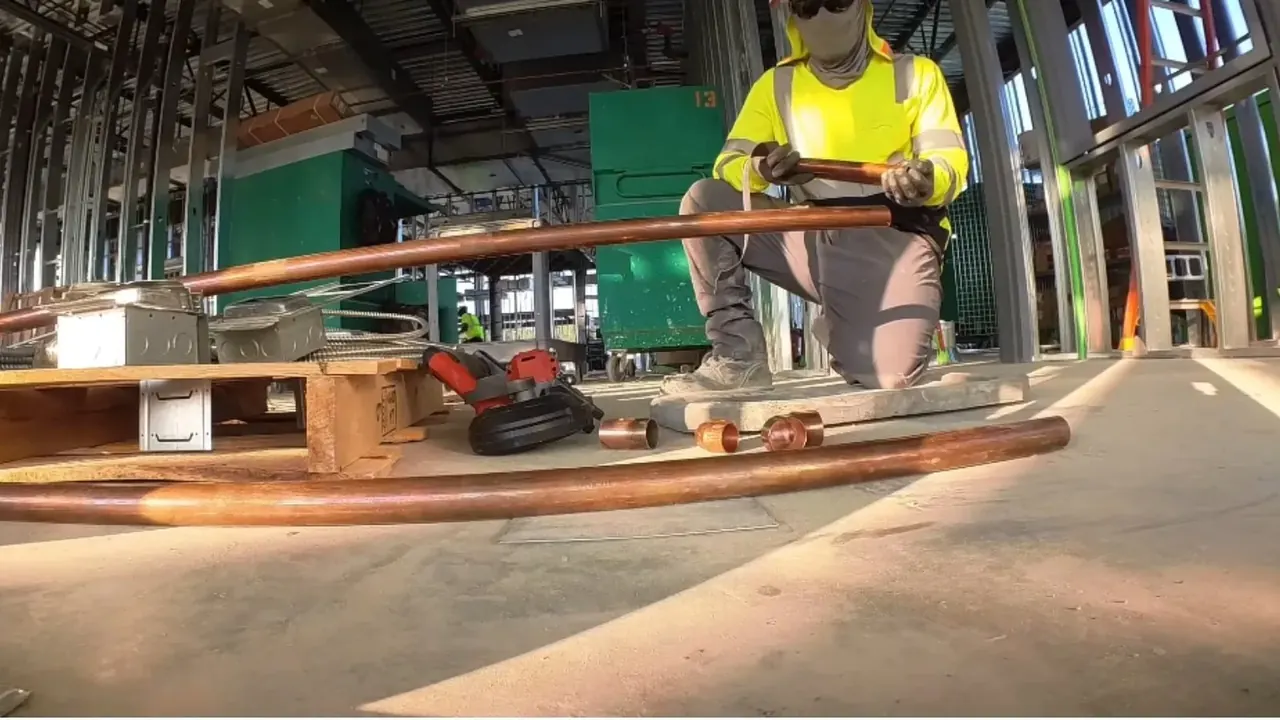
Planned plumbing, and where it differs from repair
Repair fixes what broke. Installation decides where pipe goes, how big it is, what slope drains need, and how fixtures connect, and those decisions are hard to change once walls and floors are closed.
That is why the best time to call a plumber on a remodel is before framing is finished or drywall goes up. Moving a drain by two feet at the rough-in stage is a short job. Moving it afterward means opening finished surfaces.
What we install
These are the usual jobs. Each has its own checks.
New and replacement fixtures
Sinks, toilets, tubs, showers, faucets and laundry boxes. Replacing a fixture in the same place is usually quick. Changing type, such as swapping a tub for a walk-in shower, often changes the drain and the valve.
We confirm rough-in dimensions and drain size before the fixture is bought, so it fits.
Remodel rough-in
Kitchens, baths, basements and laundry rooms. The plumber sets drains, vents and supply stubs where the fixtures will sit, then returns to set the fixtures after the finish work.
Venting is the part owners overlook. A drain without a proper vent gurgles and can siphon its trap dry, so the vent path is planned on day one.
New construction
On a new house, plumbing happens in stages: underground drains and sleeves before the slab or footing, rough-in when framing is up, then trim-out when finishes are done. Inspections are tied to each stage.
Ask the Avon Planning and Building Department about permits and inspection scheduling, since the requirements depend on the job.
Basement bathrooms
A basement bath below the sewer level needs thought, because drains cannot run downhill into a main that sits higher. Options include a sewage ejector pit and pump.
We will tell you whether your layout works with gravity or needs a pump before you commit to a design.
How a typical installation job runs
The order of work, from first call to final test.
- 1
Scope the job
We look at the space, existing lines and the fixtures you want, then explain the plan and the price before work starts.
- 2
Rough in
Drain, vent and supply lines are placed and pressure tested while walls are still open.
- 3
Inspect
Where inspection applies, it happens at rough-in, before anything is covered. Contractors schedule through the town contractor portal.
- 4
Set fixtures and test
Fixtures are set, connected and tested for leaks, drainage and venting.
Low water pressure: finding where it is lost
Low pressure at every fixture points to the house's incoming side. Low pressure at one fixture points to that fixture, usually a clogged aerator, cartridge or partially closed valve.
We put an inline pressure gauge on a hose bib to read static pressure, then check the pressure regulator, if the house has one, and the main shutoff valve, which is sometimes only partly open after past work. A failing regulator, a corroded section of pipe, or a leak in the service line can all produce the symptom.
Mineral scale matters here too. Citizens Water reports system-wide hardness averaging about 19 grains per gallon, and it varies by treatment plant, so ask Citizens for the figure at your address. Scale narrows old pipe and clogs aerators, which is worth ruling out. Corroded supply lines may lead to our repiping page.
Planning new plumbing and want it laid out correctly? Call (317) 740-1302 and describe the project.
☎ Call (317) 740-1302Low pressure: where we look
A short sequence tells you whether the cause is one fixture or the whole house.
| Where it is weak | Likely cause | Next step |
|---|---|---|
| One faucet only | Clogged aerator or cartridge | Clean or replace |
| Hot side only | Water heater valve or sediment | Check heater lines |
| Whole house | Regulator, main valve or service line | Gauge test |
| Gradually over years | Scale or corrosion in pipe | Inspect, consider repipe |
| Sudden drop | Hidden leak or partly closed valve | Leak check |
Gas smell or suspected gas leak: leave first
If you smell gas, or hear a hiss near a gas line or appliance, leave the building immediately and call 911 or the gas utility first. CenterPoint Energy is the gas utility listed on the Town of Avon's local utilities page, and its number there is 1-800-227-1376.
Do not turn lights or switches on or off, and do not use a phone inside. We do not promise a response time for gas leaks, because the utility and emergency services come first. Once the utility has made the area safe, we can help with plumbing-side gas piping work.
Gas line installation and inspection
Gas piping for a new range, dryer, fireplace or water heater is planned work, and it follows the code and the utility's rules. Pipe size depends on the total load of the appliances and the length of the run, so we calculate it for your layout.
Every gas connection is pressure tested before it is put into service, and fittings are checked for leaks with approved methods, not by smell. Our water heater installation page covers gas and electric venting details.
What shapes the cost of installation work
No two projects are alike, so we give a clear price after seeing the space. These are the main drivers.
Scope and fixtures
A single fixture swap is small. A new bathroom with drain, vent and supply is a larger job.
Existing lines
Reusing nearby pipe is cheaper than running new lines across the house.
Access
Open framing or a basement ceiling is faster than working behind finished walls.
Material and fixtures
Fixture quality and pipe material affect the total.
Permits and inspection
Requirements vary by job, so ask the Avon Planning and Building Department early.
Planned installation is generally not an insurance matter, since homeowners policies typically cover sudden and accidental damage and exclude improvements and wear. Ask your carrier if you are repairing damage.
Call (317) 740-1302 and we will explain what your project involves.
Build and remodel across nearby towns
We take installation work in Avon and the nearby towns. Plainfield, for example, is served by Plainfield Water Works rather than Citizens Water, so the utility you ask about water quality and service line records changes with the address. We look at each property on its own.
Codes, licensing and 811
Plumbing work in Indiana follows the state plumbing code (675 IAC 16), and the Indiana Plumbing Commission licenses plumbing contractors and journeyman plumbers. You can check any plumber through the license lookup at mylicense.in.gov before work starts, and you should call 811 before any digging.
Codes and standards decide what is allowed on a given job, so ask which ones apply to yours.
Plumbing installation questions
Yes. The line at (317) 740-1302 is answered 24/7, and same-day appointments are available when the schedule allows. Installation is planned, so if there is active water or a gas smell, say so first.
Permit rules vary by job, so ask the Avon Planning and Building Department at 317-272-0948. Applications go through the town portal, and contractors use a separate portal to schedule inspections.
Call first or tell us the model. Rough-in size, drain location and mounting type decide whether a fixture fits.
Leave the building and call 911 or the gas utility. Do not use switches or phones inside. Call us afterward for plumbing work, not before.
Often yes. We check where the main drain sits relative to the floor and tell you if a sewage ejector pump is needed.
The shower cartridge, showerhead or a partly closed valve is the usual cause. We check the fixture before touching the pipes.